Dissertation Title: Erasing the Avant-Gardes: Anti-Modernism in French Art History, Criticism, and Education, 1920-1944 (download pdf here)
Defended at Duke University, as part of a PhD in Art, Art History & Visual Studies, 2019.
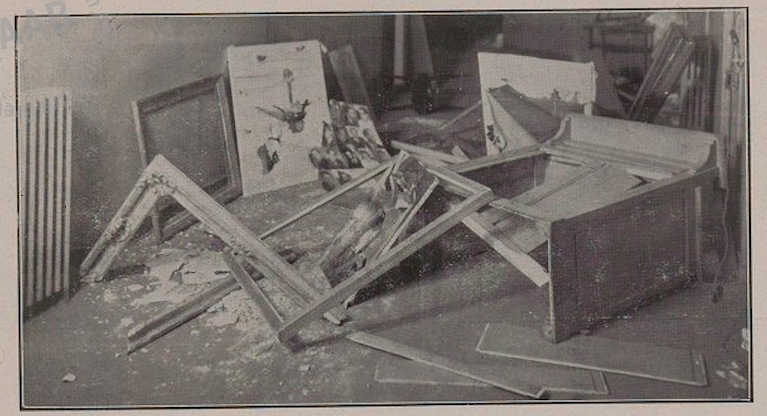
Though we tend to look upon the 1920s and 30s in France as a moment of artistic flourishing – one that saw the birth of movements like Dada and Surrealism– less is known about the relentless and concerted effort of conservative actors fighting to destroy, sometimes with violence, these avant-garde movements.
Presenting case studies of influential reactionary and anti-avant-gardeist critics, pedagogues and art historians who publicly opposed the avant-gardes, my dissertation expands our understanding of art historical modernism by revealing the contours of a powerful, persistent, and often successful cultural and political agenda and campaign to suppress it.
Charting the substantial challenges posed to modern art in the interwar period, as well as the tacit complicity of the French state with these efforts, my dissertation outlines the surprising strategies of intellectuals seeking to destroy modern art, and the means by which they were able to institutionalize their aims. Complicating our understanding of this period, I chart the influence of these right-wing intellectuals in the public sphere and at the state level. Given that many were adherents to Action Française and Italian Fascism, I show a direct link between their distaste for political democracy and republicanism and their disdain for modern art, a position soon institutionalized by their allies in the Vichy regime during the Second World War.
Given the fact that many of these conservative art world actors were disgraced when the tides of history turned against them at the close of the war and the Fourth Republic initiated a retrospective acceptance of the avant-gardes as part of Republican tradition, my findings suggest that the acceptance and canonization of modernism today was never an historical inevitability by virtue of its advanced status. It was contingent on a delicate balance of power that played within the art world and without.

